



MERINO WOOL MYTHS DEBUNKED, ITCHINESS & SHRINKING CARE

Most of the hype you’ve heard about the Merino wool is true, but alongside the reviews, you’ve also probably encountered some uncomfortable stereotypes that are currently affecting your purchasing decisions.
This article is going to be a truth revealer, shedding light on some of the myths and controversies you’ve heard about Merino clothing so you can separate facts from fiction.
After reading, you’ll know what’s true and false about the Merino wool, and as a bonus, I will tell you what to look out for when you’re ready to purchase your Merino.
What Is Merino Wool?
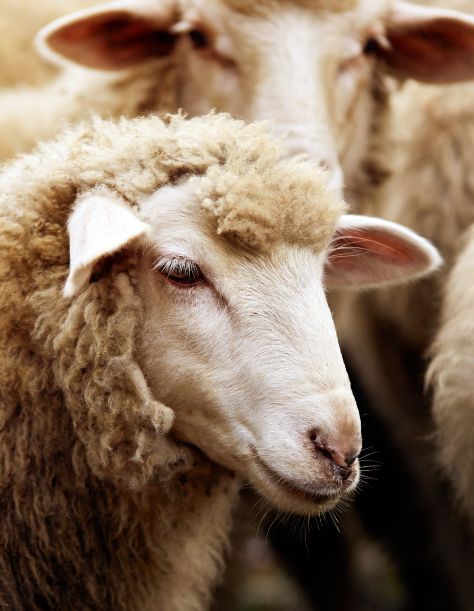
Merino wool is an organic fiber produced by the merino sheep, a breed that has been around since the Middle Ages in Spain but which today lives mostly in Australia, New Zealand and South America. It is extremely fine, with a diameter of 15- 24 microns.
"Merino wool is more desirable due to natural temperature regulation, breathability, odor resistance and ability to wick moisture away from the body — meaning it is suitable to be worn all year round."
Key Properties of Merino Wool
Fine fiber diameter
Merino wool threads are notably finer than traditional wool, as such they’re soft and comfortable against the skin. The smaller diameter means that it bends more than thicker fibers and is therefore soft to touch, not scratchy as you might expect from wool.
Natural elasticity
Merino wool is naturally elastic, so it stretches to your body then returns to its natural shape. This also helps knitwear to keep its shape over time and not become saggy or misshapen with wear.
Moisture-wicking
Merino wool is a naturally moisture-wicking fiber which means it takes moisture away from your skin and emits it into the air. It helps to keep comfortable levels and has the person dry even when wearing it for extensive amounts of time.
Odor resistance
The natural structure of the fiber repels odor-causing bacteria from being able to live. This means merino wool clothing does not stink over time and isn't stained/more washed.
Temperature regulation
In cold conditions, merino wool can hold heat in but in warm conditions, it allows heat to escape. This organic temperature control factor gives it a year round usability
Myth 1 – Merino Wool Is Itchy
Why This Myth Exists
Many associate the Merino wool with itchiness primarily because of their experience with traditional, coarse wool clothes. Regular wools are thick (about 30 microns in diameter) and stiff, which makes them irritate the skin, and due to long extended wear, the brain's muscle memory associates the scratchy sensation of any wool sweater.
The Reality
Merino wool isn’t itchy. It is finer than regular wool. It has an ultra-fine fiber that is about 15-24 microns. It is soft and flexible, which makes it go around the skin without poking it.
It’s best to wear premium Merino. When in contact with your skin, it doesn’t trigger your nerves which your brain translates as itchiness. It’s why premium merino can be worn directly against your skin.
High-quality Merino clothing gives a soft and comforting feel. It’s the closest to cashmere and becomes softer with wear and washing. No prickling sensation, instead, you get the warmth and breathability of wool.
Shop high-quality Merino wool clothing.
Who Might Still Feel Sensitivity
While the Merino doesn’t give any itch, a very few people may still react to it, not because the Merino wool causes itchiness, but because of how sensitive their skin is. It is very personal.
But aside from this, merino may itch your skin if it’s of low quality or made from blended wools. Some brands do this by mixing Merino with coarser wool or synthetic fibers for profit. Ensure you check fiber quality standards before purchase. Check out how we source our Merino wool.
Myth 2 – Merino Wool Shrinks Easily
Why Shrinking Happens
Shrinking occurs when wool is exposed to heat, moisture, and agitation, a process called Felting. Wools naturally have tiny scales on their surface. These scales open in hot water and get interlocked when agitated. This makes the fibers mat together and the fabric contracts. It can also happen when you throw a wool sweater in a hot cycle with heavy agitation. Friction and heat cause irreversible damage.
The Truth About Shrinking
The truth is, Merino wool doesn’t shrink easily. It does only when mistreated. You can prevent it from shrinking with proper care. High-quality merino wool is durable and built to last for years. The fine fiber maintains its structure even with extended wear, but it will only shrink if you expose it to conditions it’s not meant to handle
How to Prevent Shrinking
- Wash in cold water: Hot water is the primary source of shrinking, so wash in cold or lukewarm water; temperatures shouldn’t exceed 30•c / 86•F. This also prevents felting.
- Use gentle or wool cycles: Select wool-specific cycles when washing with your washing machine. Harsh tumbling can cause felting. If you can, hand washing is gentler, but if you use a washing machine properly, make use of it; they come with adequate wool protection settings.
- Avoid tumble drying: Do not put Merino wool in a dryer; it will cause irreversible damage. After washing, air dry or lay on a clean towel. While the Merino is still wet, gently stretch and adjust its original size. This allows it to dry in its correct form.

MYTH 3 – MERINO WOOL IS DIFFICULT TO CARE FOR
People think that the Merino wool must be handled like it is very delicate material. It is not and, in fact, it’s one of the most manageable fibers.
Merino is also odor resistant, so this can be worn a surprising number of times between washes. Hanging them out is plenty to keep them fresh, but don’t wait until they’re very dirty before washing.
When it's time to wash, nothing fancy about it just simple easy cold water washing on gentle cycle laying flat dry and back in the wardrobe!
Proper Merino Wool Care Guide
Washing Guidelines
- Use cold water (maximum temperature 30°C/ 86°F)
- Choose mild, wool-safe detergent.
- Use a gentle wool cycle.
- Wash separately or pair with similar colors. This prevents dye transfer.
- Use Mesh during laundry; it provides extra protection.
Drying and Storage Tips
- Lay flat to dry.
- Reshape when still mildly wet.
- Avoid direct heat, sunlight, or radiators.
- Store it folded in breathable spaces.
- Don't iron directly; ensure it's on low heat when using an iron or steamer.
Benefits of Wearing Merino Wool
- Breathable, temperature regulating - Merino wool is breathable meaning in the heat or heated situation, it gets rid of excess heat and cools. This is why it's so great to wear year round. Furthermore, in the cold, it uses its crimped fibers to make air pockets which capture heated air for insulation. With merino, you're never going to be freezing outside or excessively hot indoors.
- Odor resistant: Merino wools are naturally resistant to odor-causing bacteria. Merino garments can be worn several times without frequent washings. Some say wearing merino wool socks helps avoid athlete's feet. Athlete's foot is a contagious fungal condition of the toes/feet that causes itchy skin and/or cracked skin, making it suitable for travel or active wear.
- Lightweight yet warm: Merino warms you up without the weight. The soft, fine fibers form small air pockets to trap heat for insulation.
- Comfortable year-round: Merino fibers are one of the natural fibers you can wear year-round instead of only during the cold winter months. The temperature regulation properties and wicking abilities keep you cool in the spring and fall (light weight merino) and warm in the winter (heavy weight merino). Merino clothing is great for hiking, working or just lounging around.
- Durable with Care: Premium Merino can withstand the test of time (up to 10 years) when provided proper care. It has a natural stretch that doesn't get stretched and bagged out permanently, and a naturally resilient fiber that keeps its shape and structure. Premium Merino will not fall to shreds, but instead, become softer, making the expensive purchase worthwhile as it'll outlast other fibers in your wardrobe.
Common Uses of Merino Wool in Everyday Clothing
- Knitwear and sweaters: Merino wool is commonly used for knitwear, cardigans and sweaters as it is warm, soft and breathable. It's made of such fine layers that it can be worn directly on the skin without any itchiness.
- Base layers: Merino wool can be used for thermal underwear and base layer applications, both indoor and outdoor. Its moisture wicking abilities draw sweat away from the body while you're exercising or outdoors, and it can regulate temperature from the outside to keep you dry and comfortable.
- Travel clothing: The Merino is an effortless travel accessory with its smell and wrinkle preventative properties. It's so light and flexible that it's dressy enough to wear and casual enough to need no ironing and worn day after day without a smell or looking frumpy. It's the ultimate travel necessity.
- Everyday essentials: Merino is not just specialized clothing for the average person. It has transcended into a daily staple for merino socks, shirts, and accessories are all the rage. Best part? They work in any climate.
Frequently Asked Questions
No, high-quality Merino isn't itchy. It's finer than regular wool so it bends against skin as opposed to pricking it. This is why you need to ensure you're purchasing your Merino from a quality-driven brand.
Of course! Merino wool can be machine washed on a gentle or wool cycle with cold or lukewarm water.
No, it doesn’t shrink over time if cared for properly. Shrinking only occurs when it is exposed to high heat or tumble drying.
Yes. Merino wool socks best cotton socks in almost every functional performance. They'll keep feet dry all day long, temperature regulating, moisture wicking, odor reducing and dry. That's not the case for cotton socks.
Yes, merino is suitable for sensitive skin as it is soft and breathable. Merino is hypoallergenic, meaning it's unlikely to irritate skin to begin with and since it's breathable, there's no trapped air to cause irritation. However, for super sensitive skin, the ultra fine grades or merino worn over something else is best.
Conclusion
Fact is, Merino wool is the best natural fiber that you are ever likely to become acquainted with and now you have learned about the technical stuff take a look at what to consider when buying your Merino piece:
Fiber Check: Make sure it’s 100% Merino, not a blend with coarse wool or synthetic fiber.
Check Ethical sourcing: Go for labels with non-mulesed certification, Responsible Wool Standards (RWS), OEKO-TEX Standard 100, and lastly make sure there is zero chemical processing and animal cruelty.
Construction Quality: look at stitching, seams and knit density. Ensure it was made well.
Transparency: Purchase from companies that note this information publicly or within their sourcing information; note the process of production; have a great return policy.
L’Envers meets all criteria; our Merino is 100%. Merino from Spain, non-mulesed and fully traceable from farm to finished garment. Each piece is made to order from artisans in family owned workshops in Spain. We do it slow so that when you buy it, it lasts for a decade. Purchasing high quality wool means purchasing pieces that will survive many seasons.
FREE SHIPPING
from 300€ to Europe, from 320€ to North America, UK, Swiss, from 360€ to Asia
FLEXIBLE EXCHANGE AND RETURNS
within 30 days
3-PART PAYMENTS
with SplitIt
CUSTOMER SERVICE
Contact Us for advice and customization
JOIN THE COMMUNITY


Sign up to receive email updates on new product announcements, to discover more about L’Envers and more!