




Slow Fashion vs Fast Fashion: Why 2026 is the Year to Change?
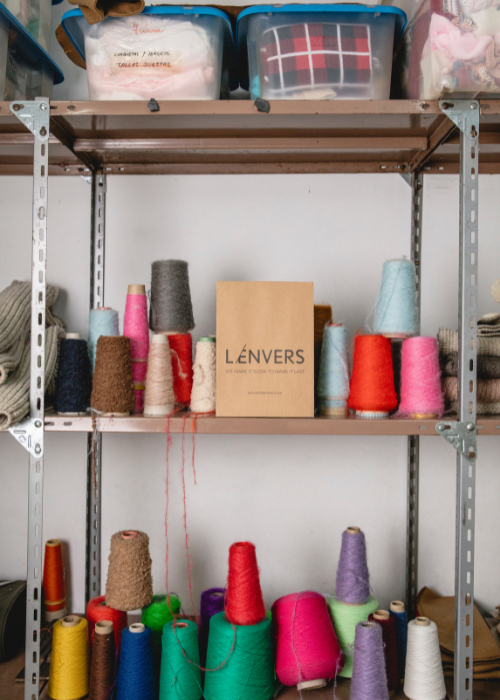
Most of the hype you’ve heard about the clothing industry in 2026 will hit a turning point, shifting from fast to slow fashion. This is due to growing consumer awareness about the damage the fashion sector and civilization have done to the environment.
2026 brings a new start, so this article will discuss the impact of fast and slow fashion on the environment and how L’Envers, through its slow fashion business model, is helping address the fashion industry's climate impact.
What Is Fast Fashion? And The Hidden Costs of Cheap Clothing
Fast fashion is the mass production of new clothing lines at extremely high speed and at low cost. Brands use this model to replicate viral style and runway trends, producing large volumes of garments.
Because trends are fleeting, these clothes are designed to last for a short duration before being replaced by another trend. Fast fashion strategies allow companies to prioritize speed over substance and frequent buying over thoughtful consumption.
Key Characteristics of Fast Fashion
High Volume Production Cycles
Fast fashion brands are constantly churning out new styles as fast as they can, dumping them into the market in huge quantities over the course of a few weeks. This relentless pace puts a premium on getting stuff out the door quickly, sacrificing quality and thought in the process - completely neglecting the idea of making clothes that would last.
Low Garment Prices
In order to keep the very cheap prices for garments, fast fashion relies on cheap materials and crummy manufacturing deals. On the surface, that means clothes are way more affordable for people who are on a tight budget - but the catch is they're probably gonna fall apart pretty quickly.
Trend-Driven Designs That Go Out Of Style Fast
Designs pretty much run on a "if it's hot for now, let's make a LOT of it" approach, rather than trying to come up with styles that will stand the test of time. And then when the next big thing comes along, consumers are encourage to get over whatever was popular just a few weeks before, and to buy the new "must have" item instead, which is just creating a whole lot of waste.
Clothes That Are Never Meant To Last
The thing is, fast fashion items are basically built not to last. It's either because the style has gone out of fashion or the stitching starts to come undone, and you can barely get another wear out of them - but either way, they get tossed in the bin after a few wears, because sadly the "throwaway" culture is encouraged to last.
The Environmental Costs of Fast Fashion
The Issue With Manufacturing Abroad
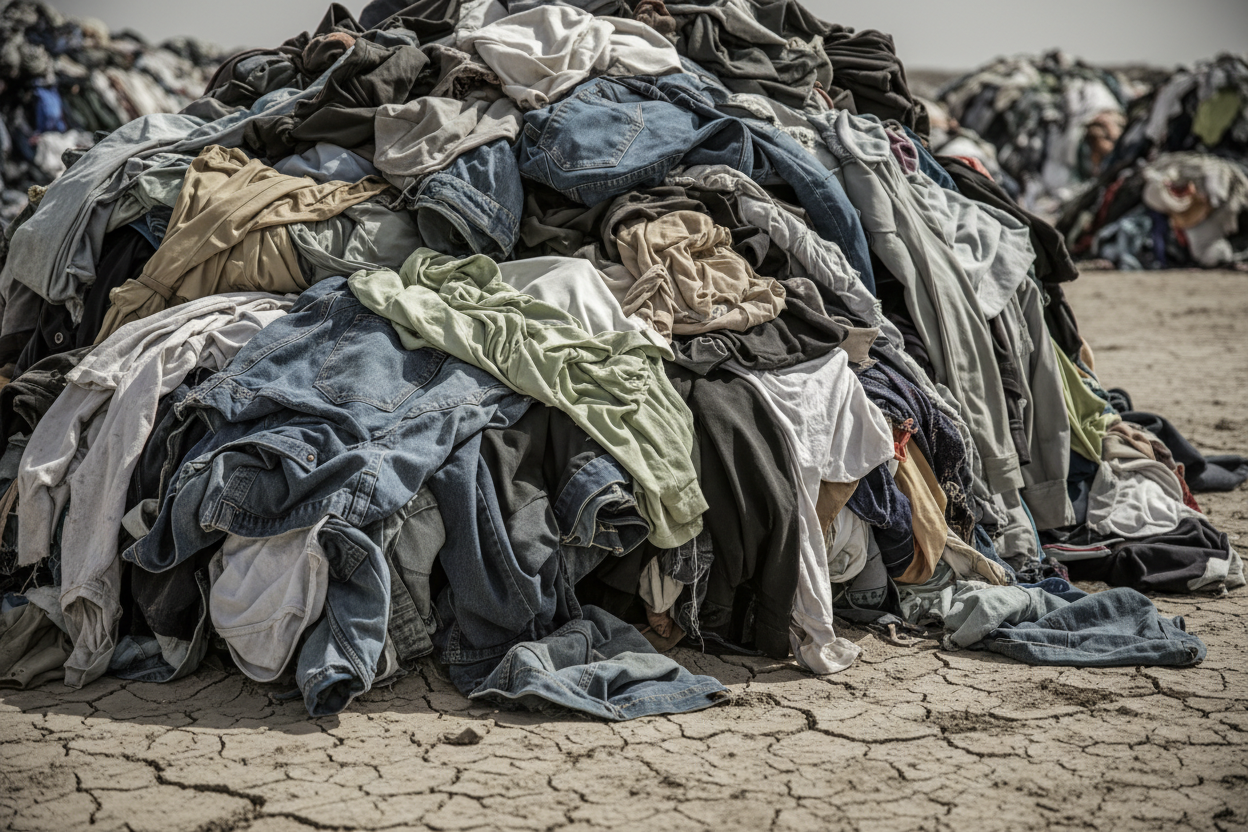
The textile industry produces around 10% of global carbon emissions due to energy-intensive manufacturing, global transportation, and reliance on fossil fuels.
It also consumes vast amounts of water. Producing a single cotton T-shirt can require up to 2,700 liters of water, placing additional pressure on already limited freshwater resources.
Fast fashion is also a major source of microplastic pollution. Synthetic fabrics release tiny plastic fibers during washing, many of which reach rivers and oceans, harming marine ecosystems and entering the food chain.
Finally, the disposal and incineration of unwanted clothing release greenhouse gases that contribute to climate change.
Social and Ethical Issues in Fast Fashion
Beyond the environmental damage, fast fashion exploits and perpetuates abuses throughout the entire supply chain. The unending supply of cheap garments comes at a human cost.
Low wages and unsafe working conditions
Fast fashion garment workers are underpaid. In many instances, these workers make below the minimum wage and earn less than $3 a day, which isn't even a living wage, let alone one that secures daily necessities.
This essentially promotes exploitation since if workers are getting paid less than a living wage per hour, they should be putting in more hours to secure said living wages. Thus, these workers either work 70 hours+ a week, which is unhealthy, or they're not making enough money per week.
Most of the brands tout that they pay their workers adequate wages; however, this is false. They open factories in countries such as China, India, and Vietnam, where labor laws aren't as strict, where they can pay whatever they want without punishment and place workers' lives in danger without ramifications.
Lax supply-chain transparency
Unlike many fast-fashion brands, which often provide limited visibility into their supply chains, we believe customers deserve to know how and where their clothes are produced. By choosing high-quality, responsibly sourced materials and sharing their origins openly, we promote a more ethical and sustainable approach to fashion.
At L’Envers, transparency is at the heart of everything we do. Throughout our website, you can discover where our garments are made and learn more about the natural materials we use, including merino wool, mohair wool or even organic cotton.
In August 2025, Gorgio Armani was fined €3.5 million as regulators stated that the company misled them in social responsibility reports; it said that the reports given strayed from the actual conditions that were found at subcontractors and suppliers.
Overproduction pressure on manufacturers
The high demand for the garments put manufacturers under constant pressure. It forces manufacturers to high-volume production.
This ensures that warehouses are stacked to ensure a steady supply; however, it leads manufacturers to cut corners on safety, forcing workers to do unhealthy overtime (14-16hrs daily) and, in some cases, child labor, a practice unacceptable in the US and EU just to meet demands.

What Is Slow Fashion?
Slow fashion is the opposite of what we’ve learned about fast fashion. The slow fashion movement gets its roots from the slow food movement of the 20th century.
Slow fashion companies value high-quality materials, sustainable and ethical practices over speed and profits.
Slow fashion relies on the 4 R's principles meaning Reduce, Reuse, Recycle and Repurpose.
Core of the Slow Fashion Movements
Fewer, better-made garments
Slow fashion concentrates on putting out fewer, more thoughtfully made garments. The focus is on creating clothes that will last a long time - not ones that need to be tossed aside and replaced all the time.
Ethical labor practices
When it comes to labor, slow fashion is all about ethical labor fashion practises - fair labor practices, safe working conditions, and treating staff with respect. Brands are also way more open about how they work with their suppliers.
Responsible material sourcing
The slow fashion process prioritizes the most environmentally friendly materials possible - whether that be natural fibers, recycled materials, or stuff sourced from places that treat their workers and the environment well. And then there's also the whole quality thing - we look for sustainable materials that last and are easy on the planet.
Timeless design
Slow fashion doesn’t move with fleeting trends; it is built to last. It’s our mantra at L’Envers: We produce clothing that can last a decade. We use classic shapes and versatile styles that don't go out of fashion so quickly.
Long product lifespan
With slow fashion, the aim is to create clothes that can take a beating - and still look good for years to come. Proper care and a bit of TLC, and you can wear your slow-fashion pieces for ages - which in turn means less waste and less stress on the planet.
Fast Fashion vs Slow Fashion
|
Factor |
Fast Fashion |
Slow Fashion |
|
Production speed |
New collections every few weeks; rapid trend replication |
Seasonal or timeless collections; made-to-order or small batches |
|
Environmental footprint |
High carbon emissions, excessive water use, synthetic materials, microplastic pollution |
Low-impact production, natural/renewable materials, minimize waste |
|
Cost over time |
Low upfront cost but frequent replacement needed |
Higher initial investment but lasts decades |
|
Garment durability |
Poor quality; designed to last one season or a few washes |
High-quality construction; built to last years or generations |
|
Transparency |
Opaque supply chains; unclear sourcing and labor practices |
Transparent production; traceable materials and ethical labor verified |
|
Consumer behavior |
Encourages overconsumption and trend-chasing |
Promotes mindful purchasing and wardrobe longevity |
Why 2026 Is the Turning Point for Fashion?
Stronger Sustainability Regulations
Governments and regulatory bodies are introducing stricter legislation for environmental sustainability. For example, the European Union Extended Responsibility ( EPR) laws require fast fashion brands to take financial responsibility for textile waste. This will compel brands to produce clothing lines that will be durable, promote recycling, and generally do anything to prevent landfill.
Other countries have similar policies, such as transparency reporting and a carbon tax. The goal of these policies is to boost the slow fashion market and, consequently, sustainable brands.
Changing Consumer Awareness
In September 2025, France passed an anti-fast fashion law, which was widely celebrated. This tells you that consumers are tired of malpractices and pollution by fast fashion brands. They will no longer ignore the cost of cheap clothing. Social media has broken down the barriers for investigative journalism.
Consumers can now travel to manufacturing sites of subcontractors and, with a single video of greenwashing or pollution scandals on YouTube or any other social media platform, bring down a brand. No brand wants this, so they’ll have to commit to sustainability even if it may not be entirely genuine.
Climate Accountability and Industry Pressure
The fashion industry is under pressure to meet the 2030 fashion climate commitment. Investors are divesting from brands with poor sustainability and greenwashing scandals. Puma suffered this, ASN Impact temporarily pulled funding from Puma to pressure for better transparency.
Major retailers are forced to publicly report carbon footprints. Insurance companies are now raising premiums for brands with high environmental risks. These measures ensure businesses present measures of progress, not that they will pay a heavy price financially.
Rise of Conscious Wardrobes
There’s been a cultural shift towards intentional consumption, with consumers willing to pay more for sustainability. A survey reported that about 67% of Generation X (1965-1980 ) preferred sustainable clothing.
Even Gen Y, Millennials, and Gen Z are not left out. Before making any purchase, these age groups are ready to read and watch videos to see if the business is honest about sustainability.
Because the majority of spenders in the fashion industry want their wardrobes to reflect their values on sustainability, brands would do everything to keep them and consequently are compelled to become sustainable fashion brands.
The Benefits of Choosing Slow Fashion in 2026
Fashion Long-Term Value
Slow fashion might seem a bit pricey upfront, but its durability and reliability mean you'll probably still be wearing those same clothes a decade later.
The Environmental Benefits
- Less Garbage in the Landfill: When you buy slow fashion, you know that what you've got is going to last, so there's less chance of ending up with a rubbish heap of old clothes cluttering up your wardrobe - and ultimately, less stuff ending up in landfill.
- Less Pollution in Our Waterways: Slow fashion often uses organic materials like cotton, merino wool and linen. These don't break apart and shed tiny plastic bits into the water, like some cheaper fabrics can. Plus, they're non-toxic dyes and no harsh chemicals - all good news for humans and the planet.
- A Smaller Footprint: Slow fashion often goes for a 'made to order' or small-batch approach, which means no unnecessary overproduction.
Ethical & Social Benefits
- A fair wage for all: basically this means that artisans get paid enough to live on - and you know what - that makes them really happy to work for your business
- Safer working environments: when companies care about doing things the right way, they tend to set up workplaces where their staff are safe and sound - which cuts down on all kinds of nasty accidents and tragedies.
- Vote with your wallet: every purchase you make is like a vote for the kind of companies you want to see in the world. By choosing slow fashion brands, you're helping keep those businesses alive and kicking, even when they're not churning out new styles every 5 minutes
Personal Style Benefits
- A wardrobe that makes sense: slow fashion is all about buying clothes that you will actually wear - not just stuff that's going to end up in the bin. Your choices are about what looks good and what works for you.
- Classic style for years to come: let's face it - slow fashion isn't about following the latest trend. It's about buying things that'll look great for ages. So you can stop worrying about what's hot right now
- No more decision stress: when you've got a smaller, more curated wardrobe, picking what to wear in the morning is a breeze - no more agonizing over which top to match with which bottom.
Why More People Are Choosing Slow Fashion
The main difference between slow and fast fashion is intent and execution. Slow fashion prioritizes quality, durability, and ethical production. However, fast fashion focuses on low prices and speed, and mostly doesn’t care about the quality and safety procedures.
Yes. Slow fashion costs more upfront; however, its durability makes it less expensive in the long term.
Yes. Slow fashion reduces environmental harm through its use of natural, biodegradable materials and controlled production. This minimizes waste, reduces resource competition, and carbon emissions associated with mass production and transportation.
Consumers can adopt sustainable consumption practices by prioritizing higher-quality garments that will last for a long time. Before purchase, they should verify if the brand supports ethical production and transparency. Consumers should learn how to care for clothes, repair them when needed, and give them out when they can’t use them instead of throwing them away. Most importantly, avoid impulse buying.
Blog posts
Merino Wool vs Organic Cotton: Which One Is Right for You?
Discover the differences between merino wool and organic cotton, and find out which natural fiber suits your comfort and your climate best.
Read more
How to Wear a Sleeveless Vest, 3 Ways to Style It
3 easy ways to wear a sleeveless vest, layered over merino, mohair, or organic cotton, for effortless warmth in any season.
Read more
Which Wool Should You Choose for Autumn?
Merino, mohair, or alpaca? Discover which natural wool suits your autumn wardrobe best, with timeless knitwear handcrafted in Spain.
Read moreFREE SHIPPING
from 300€ to Europe, from 320€ to North America, UK, Swiss, from 360€ to Asia
FLEXIBLE EXCHANGE AND RETURNS
within 30 days
3-PART PAYMENTS
with SplitIt
CUSTOMER SERVICE
Contact Us for advice and customization
JOIN THE COMMUNITY


Sign up to receive email updates on new product announcements, to discover more about L’Envers and more!