




ORGANIC COTTON vs. CONVENTIONAL COTTON: WHAT'S THE REAL DIFFERENCE?
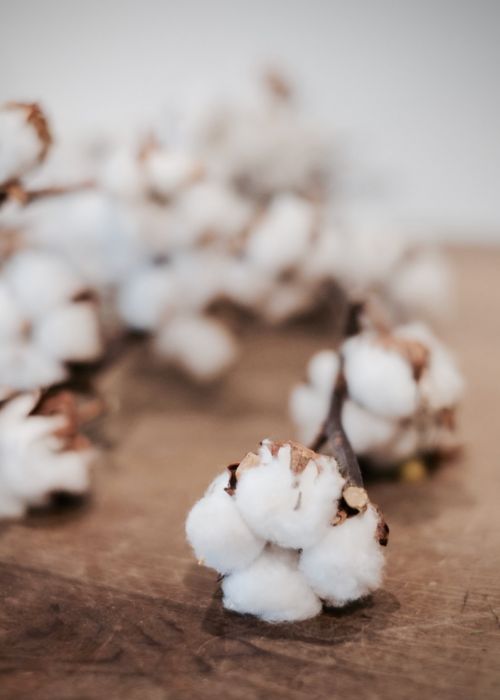
Understanding Organic Cotton and Conventional Cotton
Cotton is one of the most prevalent natural fibers in the world, and we use it to produce everything from clothing and bedding to personal products.
Yet the cultivation and processing of cotton greatly determine cotton's health and environmental impacts. From water to chemical pesticides, there are several main disparities between organic and non-organic cotton beyond the title.
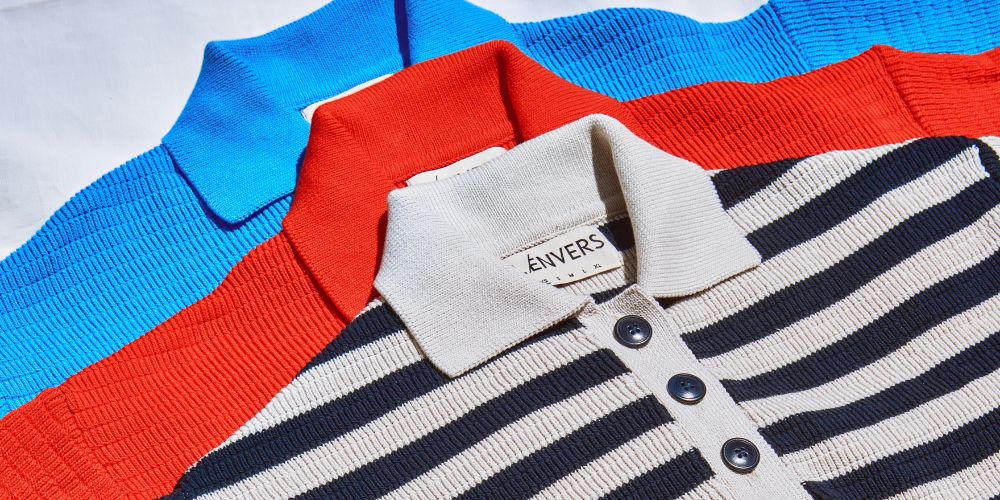
Brands like L’Envers exemplify the transformative power of organic cotton in fashion. By prioritizing high-quality, GOTS-certified organic cotton, L’Envers crafts timeless knitwear that is gentle on sensitive skin and durable enough to last for years.
Organic Cotton: Definition and Certification Standards
Organic cotton is grown using farming methods that protect soil health, biodiversity, and ecosystems. Unlike conventional cotton, it avoids synthetic pesticides, chemical fertilizers, and genetically modified seeds. Instead, farmers rely on natural techniques such as crop rotation, composting, and biological pest control.
To be certified organic, cotton must meet strict standards across its entire lifecycle: from cultivation to processing.
Key organic cotton certifications include:
- GOTS (Global Organic Textile Standard): Ensures organic cultivation and environmentally responsible processing
- OEKO-TEX Standard 100: Tests finished textiles for harmful substances
- USDA Organic: Certifies organic farming practices in the United States
- Organic Content Standard (OCS): Verifies the presence of certified organic material in products
These certifications guarantee that cotton is grown without harmful chemicals and processed in ways that are safer for both people and the environment.
Differences Between Organic Cotton and Conventional Cotton
Use of Pesticides and Fertilizers
In fact, cotton accounts for roughly 16% of the world’s insecticide use despite covering only 2.5% of global farmland, earning it the label of one of the “dirtiest crops” in agriculture.
Water Consumption and Climate Impact
According to the estimates published by Textile Exchange, organic cotton uses almost 91% less water than its non-organic counterpart.
Fabric Quality and Softness
Organic cotton fibers are typically handpicked, which keeps them longer and more intact, resulting in softer, stronger, and more breathable fabrics.
Conventional Cotton and Its Environmental Impact
Conventional cotton is the most widely produced form globally, but it comes with a high environmental cost. It is often considered one of the most resource-intensive crops due to its heavy reliance on chemical inputs.
Key characteristics include:
- Use of genetically modified seeds
- Intensive irrigation and high water consumption
- Heavy use of pesticides and synthetic fertilizers
- Exposure of farmers and ecosystems to toxic chemicals
Compared to organic cotton, it has fewer environmental safeguards and is harder to trace in terms of ethical production.
Why Organic Cotton Matters
Choosing organic cotton supports more sustainable and responsible farming systems. It helps reduce pollution, protect biodiversity, and improve soil and water quality. Learn more about our commitment to natural fibers in our article on 10 reasons to love organic cotton !
It also supports safer working conditions for farmers, who are not exposed to harmful chemicals, and contributes to more resilient rural economies through fairer and more stable farming practices.
While initiatives like the Better Cotton Initiative promote improved farming methods, they do not fully meet organic standards, as they may still allow synthetic inputs. Certified organic cotton remains the most rigorous guarantee of chemical-free and environmentally responsible production.
Tips for Checking Product Labels and Sustainable Brands
When shopping for organic cotton clothing, cotton sheets, or other textiles, keep these tips in mind:
- Check for clear certification logos like GOTS or OEKO-TEX
- Avoid vague terms like “natural cotton” without proof of certification
- Research sustainable brands that are transparent about sourcing
- Look for mentions of organic cotton growers, crop rotation, or eco-friendly practices
By being label-savvy, you can support brands committed to organic cotton vs conventional cotton standards and reduce your impact on the environment.


Need help?
All your doubts about organic cotton answered!
If you are trying to determine the difference between organic cotton and normal cotton, cotton is an essential part of the cloth fabric. Organic cotton is grown without the use of poisonous chemicals, fertilizers, or pesticides and is better for the environment than normal cotton. Studies have indicated that using organic cotton also helps in reducing cancer rates.
Non-organic cotton is grown using synthetic pesticides, fertilizers, and genetically modified seeds. In contrast, organic cotton is produced without these chemicals and follows strict environmental and health standards.
Cotton comes in various forms, including organic and non-organic types. Non-organic cotton is often treated with pesticides that can leave harmful residues.
While both types are comfortable to wear, people with sensitive skin may experience allergic reactions to non-organic cotton. In the long run, organic cotton is a safer choice, as it reduces exposure to toxic chemicals.
If you care to reduce your carbon footprint and avoid contact with noxious chemicals, then yes, it does make a difference.
Organic cotton over otherwise grown cotton using chemical inputs favors sustainable agriculture, better working lives for cotton producers, and safer environments.
Organic cotton fabrics last longer and are softer on your skin, so they represent better value over the long haul.
FREE SHIPPING
from 300€ to Europe, from 320€ to North America, UK, Swiss, from 360€ to Asia
FLEXIBLE EXCHANGE AND RETURNS
within 30 days
3-PART PAYMENTS
with SplitIt
CUSTOMER SERVICE
Contact Us for advice and customization
JOIN THE COMMUNITY


Sign up to receive email updates on new product announcements, to discover more about L’Envers and more!